The 7 megatrends that matter to us
On this page:
By "megatrends", we mean long-term developments we view as globally significant in our strategic planning. They can influence politics, the economy and people’s day-to-day lives.
They manifest, for example, in changing consumer behaviour, shifting values or new technologies. As a multinational technology group with locations around the world, megatrends are an integral part of our corporate strategy. Our strategy addresses selected challenges posed by these megatrends. We describe our specific contributions in each of the relevant areas.

Which 7 megatrends are changing the world?
As part of our long-term strategic planning, we have identified seven megatrends that will influence the Wilo Group’s current and future business.
Human centricity

Human beings as the starting point for our development
At Wilo, it is not products or processes that come first. It is the people we are making them for – and the people who develop them. Whether they are customers, partners, employees or the society as a whole: A human-centric approach guides how we develop our products and our business. Their perspective is a key factor for us when developing products and processes.
In a changing world, one thing is clear: a focus on people is key to our strategic planning. Digitalisation, urbanisation, climate change and demographic shifts present us with challenges – but they also unlock opportunities. Opportunities to rethink, to reshape and to act differently – always with people in mind.
Globalisation 2.0
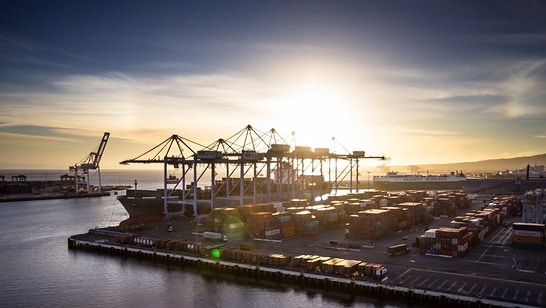
Globalisation is changing requirements
The Covid-19 pandemic highlighted the risks associated with global supply chains. This changing perspective on cross-border value chains can be encapsulated with the term ‘Globalisation 2.0’. In various regions and sectors, there are signs of a move to reorganise or, in some cases, scale back global interdependencies. Some cross-border structures and relationships are also coming under growing pressure.
Urbanisation

Do growing cities spell growing demand for water and energy?
There are now eight billion people in the world (as of 2026), and the global population is growing every day. Current UN forecasts predict that over 10 billion people will be living on our planet by 2060. In many regions, urban agglomerations are growing: a large proportion of the world’s population lives in cities, and more and more people are moving from rural areas to the metropolis. Many existing cities and metropolitan areas are continuing to grow, while new urban centres are emerging, particularly in regions experiencing rapid growth.
Energy revolution

Energy-efficient water transportation is growing in importance
Urbanisation and economic development can increase energy demand in many regions, which may lead to heightened supply risks in individual markets and, consequently, to rising energy prices. This demand and a dependency on fossil fuels has caused a bottleneck in the supply of energy resources to the economy and, inevitably, a rise in energy prices.
Water responsibility

By 2050, around five billion people could be at risk of water shortage
Ensuring a reliable water supply is a key infrastructure challenge in many regions. According to the United Nations, more than two billion people are currently living without adequate basic sanitation. However, water management is not only about extracting and supplying drinking water. The disposal, treatment and processing of wastewater is also increasingly important.
Climate change

CO₂ emissions contribute to human-induced climate change
Global warming, water scarcity and extreme weather events pose challenges for society and infrastructure. Yet global CO₂ emissions continue to rise. Rising concentrations of greenhouse gases are contributing to the long-term warming of the global climate. Depending on the emissions scenario, different climate models indicate varying but significant climate risks. One thing is clear: climate change calls for long-term reductions in emissions and adaptation measures.
Digitalisation & AI

Digitalisation and AI can help solve problems
The digital and AI transformation is driven by the technological change heralded by disruptive new technologies. Depending on the specific use case, connectivity can provide additional data and control options. A willingness to question existing approaches can help organisations adapt. This includes developing new approaches and strategies, adopting different perspectives, and using suitable modern tools in doing so. At Wilo, digitalisation or AI should never be an end in themselves – instead, they should always be used with a clear purpose and a focus on solutions.


