Megatrend: Energy revolution
On this page:
Rising energy demand is driving demand for technologies designed for various applications
Energy demand is rising in many sectors. At the same time, energy supply is seeing regional and occasional bottlenecks: digital technologies, mobility, urbanisation and industrial production are increasing energy consumption across modern societies. One thing is clear: we need to develop energy-efficient solutions. The shift towards technologies with clearly demonstrated energy or emissions benefits is no longer just an alternative option. These technologies demonstrably reduce energy consumption in the specific context under consideration and can contribute to optimised energy use in certain applications. In fact, in many markets, it has become a real competitive advantage.

How can we solve the energy crisis?
Lower energy consumption for potentially reduced reliance on external energy sources
Continued reliance on energy sources that produce high levels of greenhouse gas emissions – and, in particular, on fossil fuels – makes it difficult for governments, businesses and individuals to meet international climate targets. At the same time, rising energy prices are a drag on entire national economies. However, innovative solutions can help to make energy supply more resilient in the long term. On this basis, certain technological solutions can reduce energy consumption and associated emissions compared with a defined reference system and, by using less energy, contribute to lower-emission development.
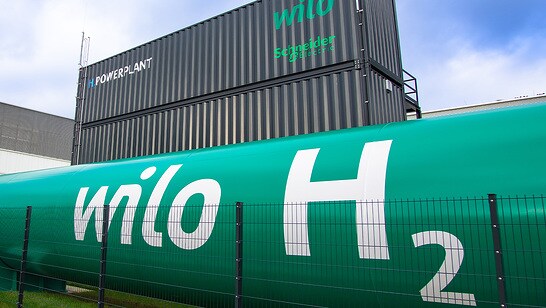
Many countries have now adopted or announced strategies for decarbonisation and the expansion of renewable energy. With our solutions, we address applications where energy efficiency and security of energy supply are key considerations. In developing our products, we place particular focus on compliance with various standards, including a range of ISO standards. This also includes the development of new technological solutions such as our H2POWERPLANT, which uses electrolysis to generate hydrogen using electricity from verifiably renewable sources.
"Green" hydrogen
Renewable electricity as a future energy source for selected applications
Electricity generated from wind, solar or hydropower can, in certain applications, result in lower greenhouse gas emissions than fossil fuel-based systems and – depending on the application and lifecycle – contribute to reducing greenhouse gas emissions. An important component of new energy strategies: hydrogen described as ‘green’ is typically produced by electrolysis using electricity from renewable sources, although the specific classification depends on the criteria applied. In selected applications, hydrogen can partially replace fossil fuels. In certain supply systems and where the appropriate infrastructure is in place, it can contribute to the diversification of energy sources and support the flexibility and resilience of certain energy systems.
At the H2POWERPLANT in Dortmund, we produce hydrogen by electrolysis using electricity from the photovoltaic system on the roof of the Smart Factory. In this way, surplus solar power can be used to produce hydrogen, and the energy stored in the hydrogen retained over longer periods.


